Understanding the Market Dynamics of Youth Girls Sportswear Fashion
The youth girls sportswear fashion market has experienced significant growth in recent years, fueled by an increasing focus on fitness and active lifestyles among younger demographics. For B2B buyers such as brand owners, wholesalers, and Amazon sellers, this segment offers immense opportunities. However, aligning quality, compliance, and flexible production capabilities remains a critical challenge when sourcing from manufacturers. This article explores key aspects of material selection, certifications, and production advantages critical to this market.
The Importance of Fabric Characteristics in Youth Girls Sportswear
Thermal Regulation and Comfort
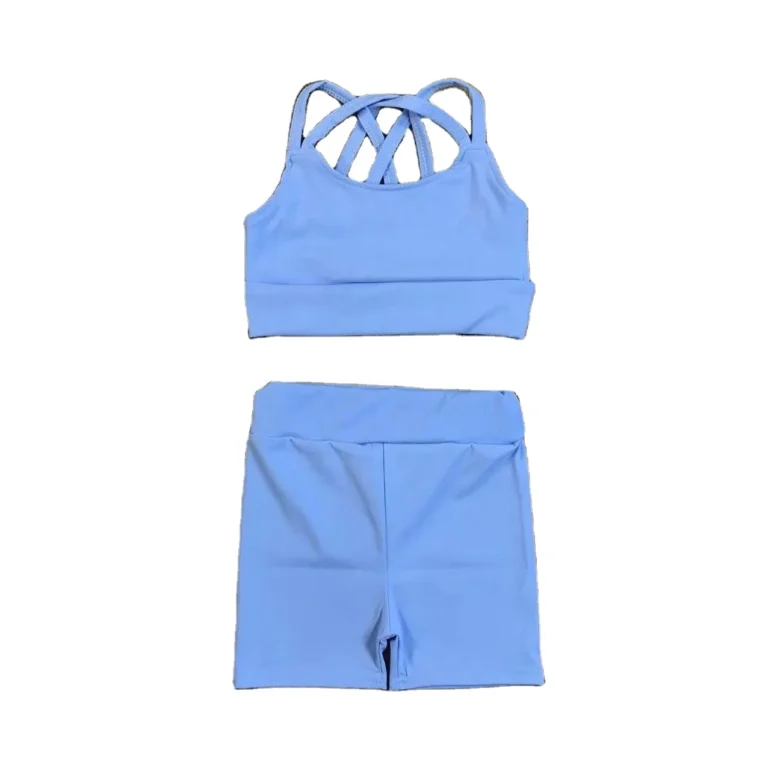
Children’s activewear requires fabrics that provide optimal thermal regulation. Materials like polyester-spandex blends are highly favored in youth girls sportswear fashion due to their moisture-wicking properties and breathability. These fabrics allow young users to stay dry and comfortable during physical activities, reducing the risk of overheating or skin irritation.
Hypoallergenic Properties
Low-sensitivity materials are essential for protecting sensitive skin, especially for younger age groups. Certified organic cotton and OEKO-TEX Standard 100-approved fabrics are ideal choices. These materials ensure that no harmful chemicals or dyes come into contact with the skin, meeting both regulatory and parental expectations for safety.
Durability and Flexibility
Durability is a critical consideration for activewear designed for children, as garments will often face frequent washing and high-intensity use. Fabrics with elastane (spandex) provide flexibility and shape retention, ensuring that garments maintain their fit and function even after repeated use. Additionally, reinforced stitching techniques can enhance overall garment longevity, a key selling point for B2B buyers.
Certifications and Compliance: A Non-Negotiable Requirement
For B2B buyers, certifications like OEKO-TEX Standard 100 and CPC (Children’s Product Certificate) are essential to ensure compliance with safety and environmental regulations. These certifications not only demonstrate a manufacturer’s commitment to high-quality production but also mitigate risks for buyers in terms of non-compliance penalties or recalls.
- OEKO-TEX Standard 100: Guarantees that textiles are free from harmful substances, making them safe for children.
- Children’s Product Certificate (CPC): Required for products sold in the U.S. market, ensuring compliance with CPSIA (Consumer Product Safety Improvement Act).
- GOTS Certification: For buyers seeking organic options, the Global Organic Textile Standard ensures sustainable and ethical production practices.
By sourcing from a youth girls sportswear fashion factory direct production partner that adheres to these certifications, B2B buyers can build trust with their end consumers and protect their brand reputation.

Low MOQ and Flexible Production: A Game-Changer for Emerging Brands
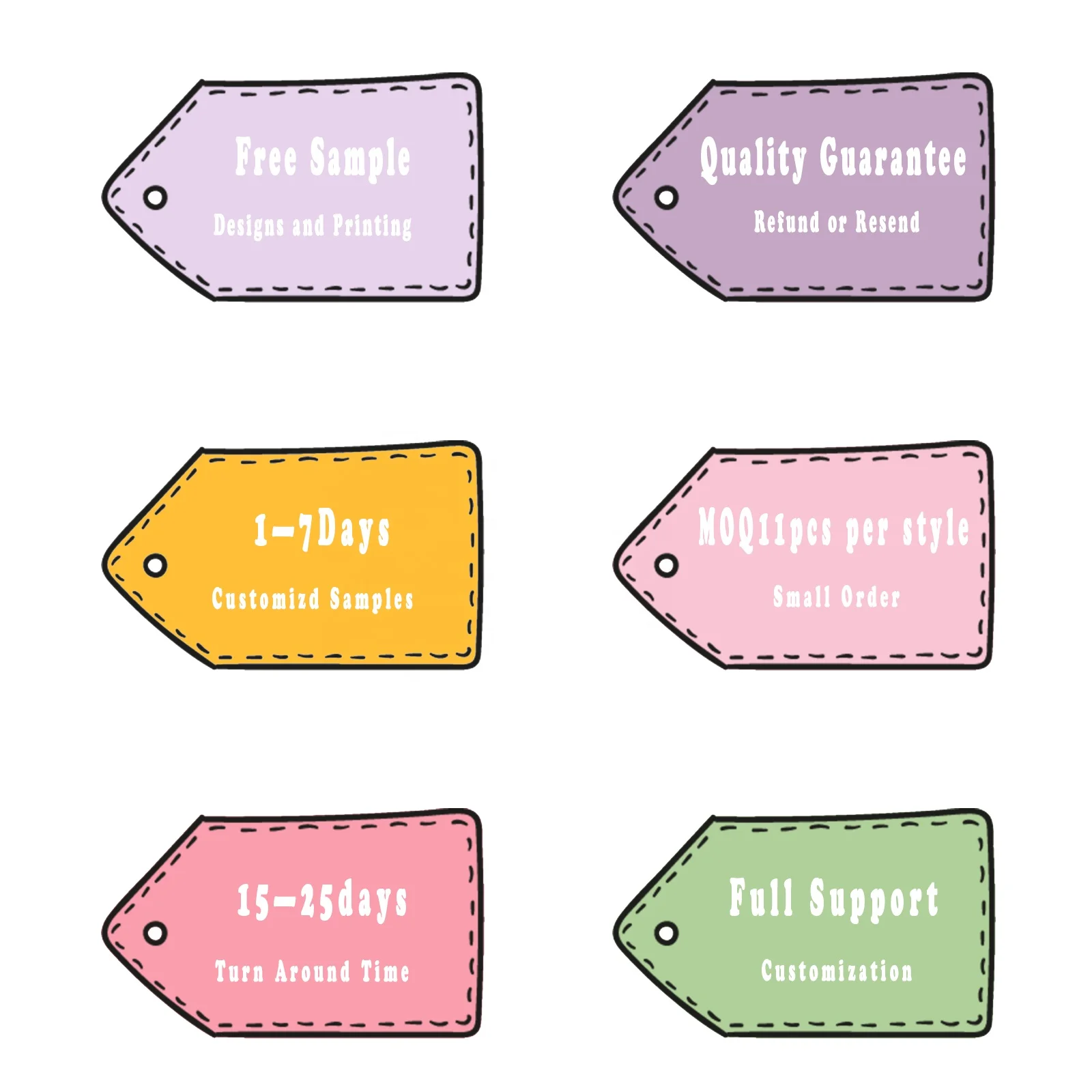
One of the most significant barriers for emerging brands and small-to-medium-scale wholesalers is the high minimum order quantity (MOQ) required by many manufacturers. A flexible youth girls sportswear fashion factory direct production model addresses this issue by offering low MOQs without compromising on quality or customization.
Advantages of Low MOQ
- Reduced Financial Risk: Smaller order quantities allow businesses to test new designs or markets without overcommitting.
- Faster Time-to-Market: Low MOQ manufacturers often offer quicker turnaround times, enabling brands to respond swiftly to market trends.
- Inventory Flexibility: Smaller batches reduce the risk of overstocking and related storage costs.
Customization Capabilities
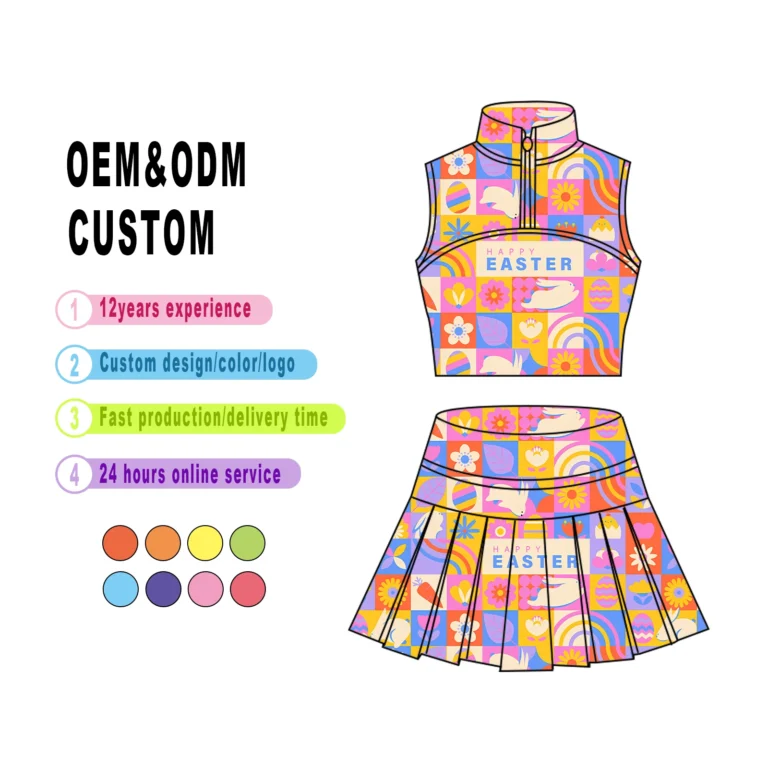
Modern youth sportswear demands a high degree of personalization, from color schemes and fabric choices to branding elements like logos and tags. Advanced manufacturing facilities equipped with digital printing and heat-transfer technology can offer extensive customization options. Additionally, private labeling services allow brands to strengthen their identity and stand out in a competitive market.
Sustainability in Youth Sportswear Production
Sustainability is becoming a non-negotiable aspect of the apparel industry, and youth girls sportswear fashion is no exception. Factories adopting eco-conscious practices, such as using recycled polyester and waterless dyeing techniques, not only contribute to environmental conservation but also align with the values of modern consumers. Buyers are increasingly drawn to manufacturers that prioritize sustainability in both materials and processes.
Eco-Friendly Fabric Options
- Recycled Polyester: Made from post-consumer plastic bottles, offering the same performance benefits as virgin polyester while reducing waste.
- Organic Cotton: Grown without pesticides or synthetic fertilizers, ensuring a safer and more sustainable farming process.
- Bamboo Fiber: Naturally hypoallergenic and biodegradable, making it a preferred choice for eco-conscious brands.
Partner with a Trusted Youth Sportswear Manufacturer
Our factory leverages 20 years of experience in producing high-quality youth girls sportswear fashion with a focus on compliance, sustainability, and customization. Whether you’re a brand owner, wholesaler, or Amazon seller, we provide tailored solutions to meet your needs. For Customized Solutions or Bulk Order Inquiries, contact us today to explore how we can support your business growth.