Understanding the Key Attributes of a Lightweight Girls Activewear Factory
When sourcing from a lightweight girls activewear factory, one of the most critical factors for B2B buyers such as brands, wholesalers, and Amazon sellers is ensuring that the products meet both quality and compliance standards. Lightweight activewear for girls requires not only premium fabric selection but also precision in production to deliver garments that are comfortable, safe, and durable. This article explores the essential aspects of material properties, certifications, and manufacturing capabilities that make a factory stand out in this niche.
Fabric Properties That Matter in Girls’ Activewear
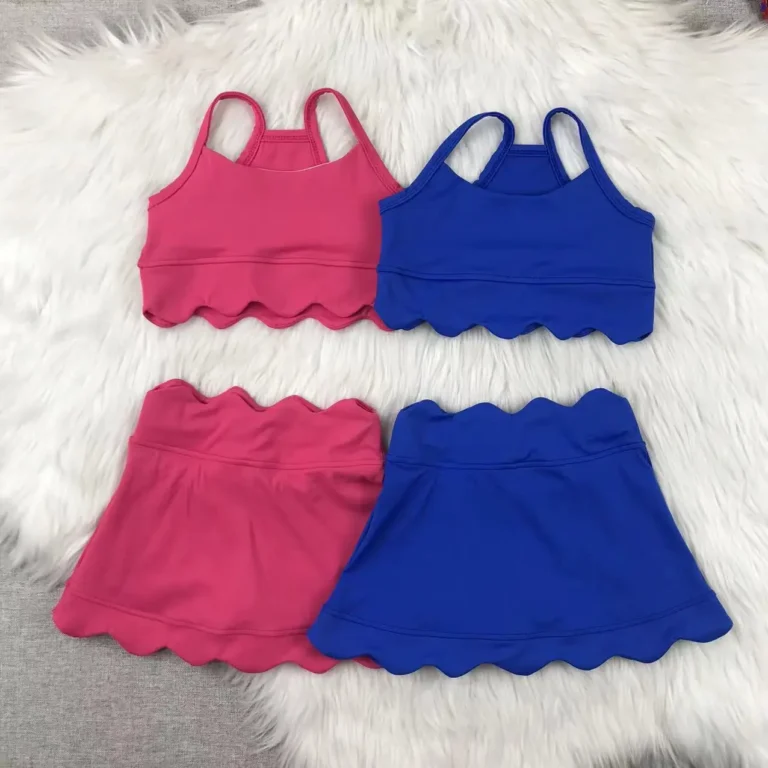
The foundation of any high-performing girls’ activewear lies in the fabric. Materials used in a lightweight girls activewear factory must possess specific physical characteristics to meet the demands of active children while ensuring comfort and safety.
- Thermal Regulation: Lightweight fabrics like polyester-spandex blends or recycled nylon often feature moisture-wicking properties, which help regulate body temperature by drawing sweat away from the skin. This is especially important for young girls during high-intensity activities such as yoga or dance.
- Hypoallergenic Properties: Sensitive skin is a common concern for children, making low-allergen fabrics a priority. OEKO-TEX Standard 100 certified materials eliminate harmful substances, ensuring the products are safe for prolonged skin contact.
- Durability and Stretch: Girls’ activewear must endure frequent washing and stretching without losing its shape or color. Advanced knitting techniques and high-quality elastane blends provide the necessary resilience for active use.
- Eco-Friendly Options: With growing consumer demand for sustainable practices, many factories are adopting recycled or organic fabrics that reduce environmental impact without compromising performance.
Certifications and Compliance: A Non-Negotiable Aspect
B2B buyers prioritize suppliers who can meet stringent compliance requirements. A reliable lightweight girls activewear factory should hold certifications that ensure both product safety and ethical manufacturing practices.
- OEKO-TEX Standard 100: This certification guarantees that the fabric and dyes used are free from harmful chemicals, making the activewear safe for children’s sensitive skin.
- CPC Certification: For products sold in the U.S., a Children’s Product Certificate (CPC) is essential. It verifies that the garments comply with federal safety standards, including flammability and lead content regulations.
- Sustainability Standards: Factories with Global Recycled Standard (GRS) or GOTS (Global Organic Textile Standard) certifications demonstrate a commitment to environmentally responsible manufacturing, which resonates with eco-conscious brands.
Low MOQ and Flexible Production: Catering to Diverse Business Needs
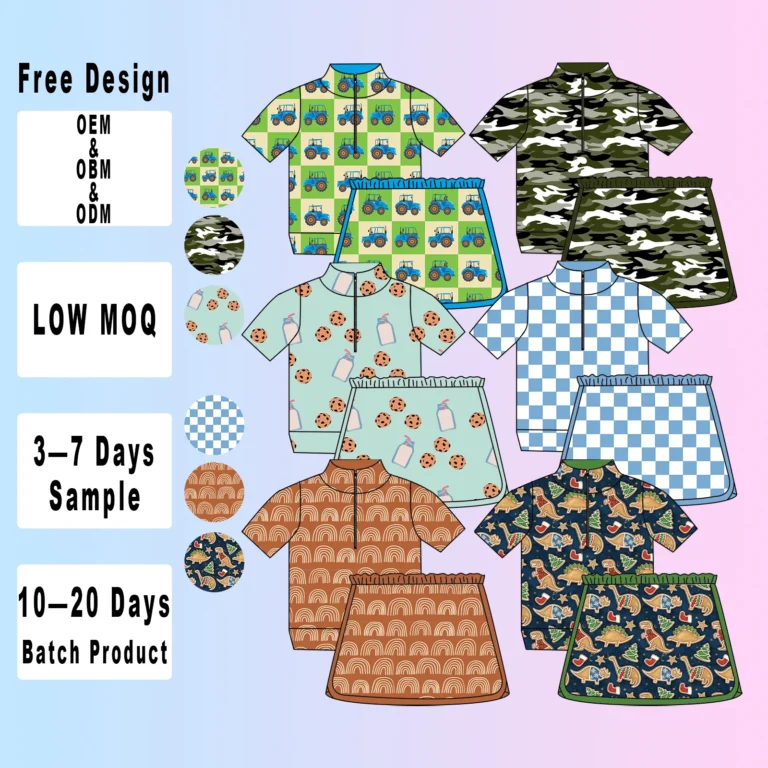
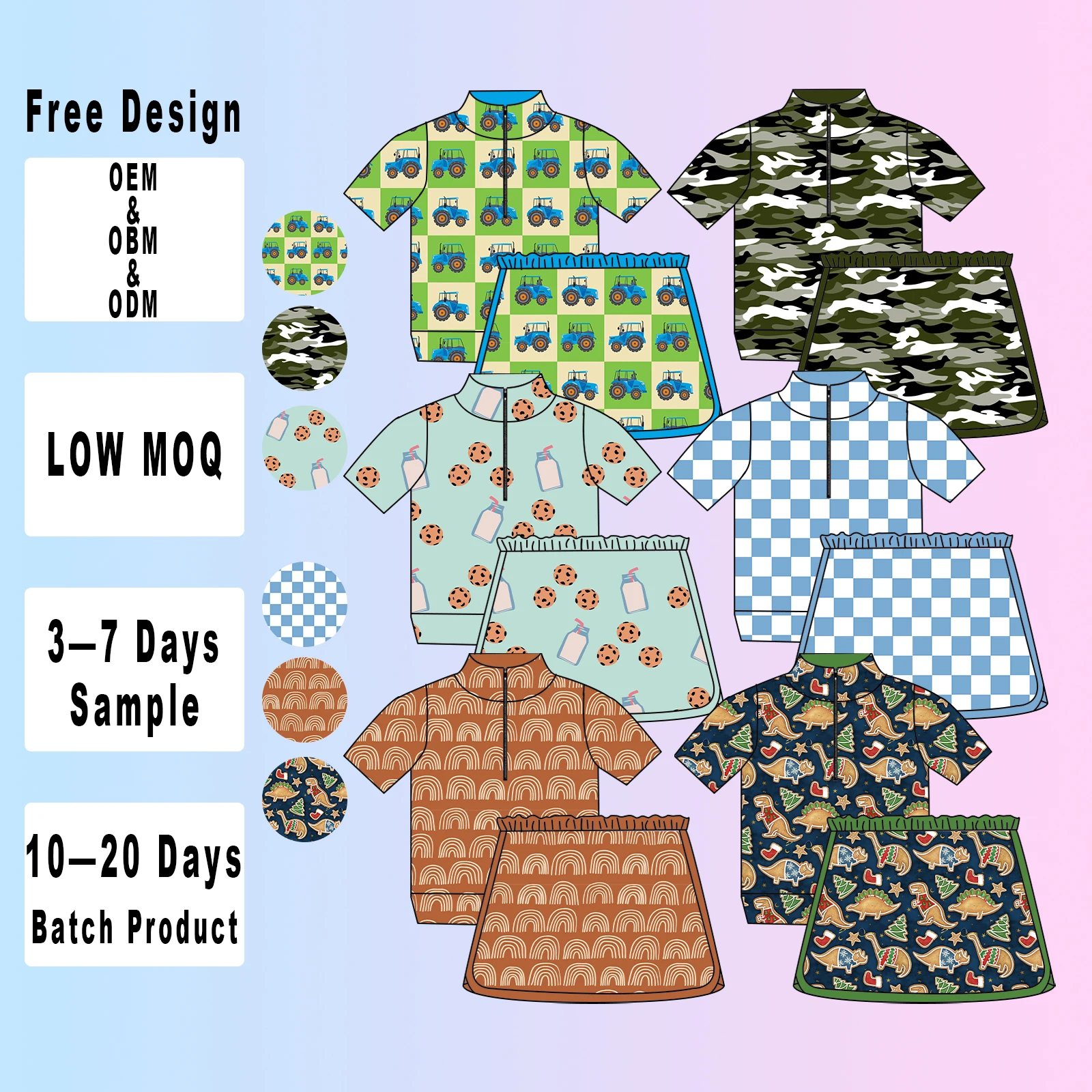
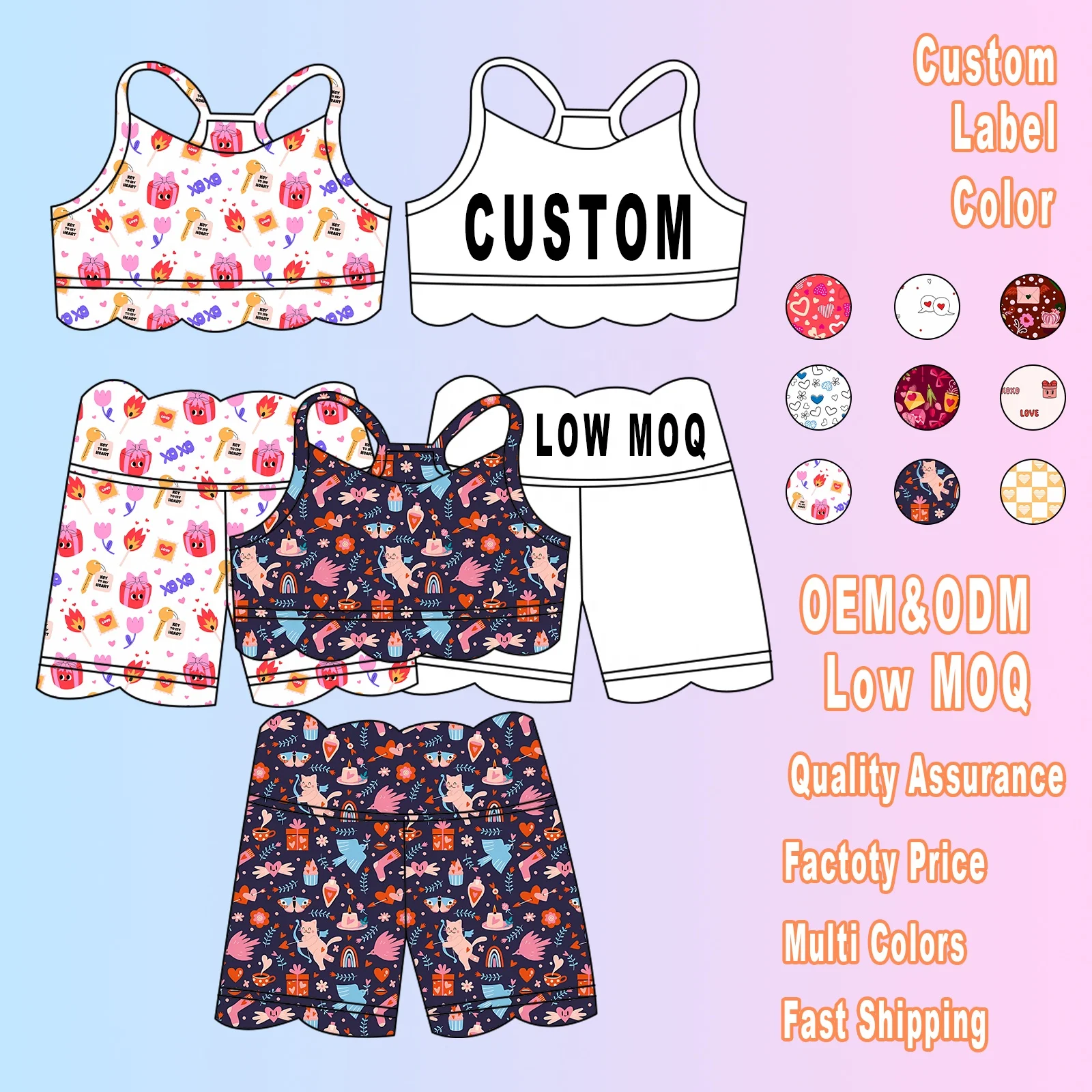
Emerging brands and small-scale wholesalers often face challenges with high minimum order quantities (MOQs). A lightweight girls activewear factory factory direct production model offers a solution by providing low MOQ options, which allow businesses to test new designs or enter the market without the risk of overstocking.
Key advantages of low MOQ and flexible production include:
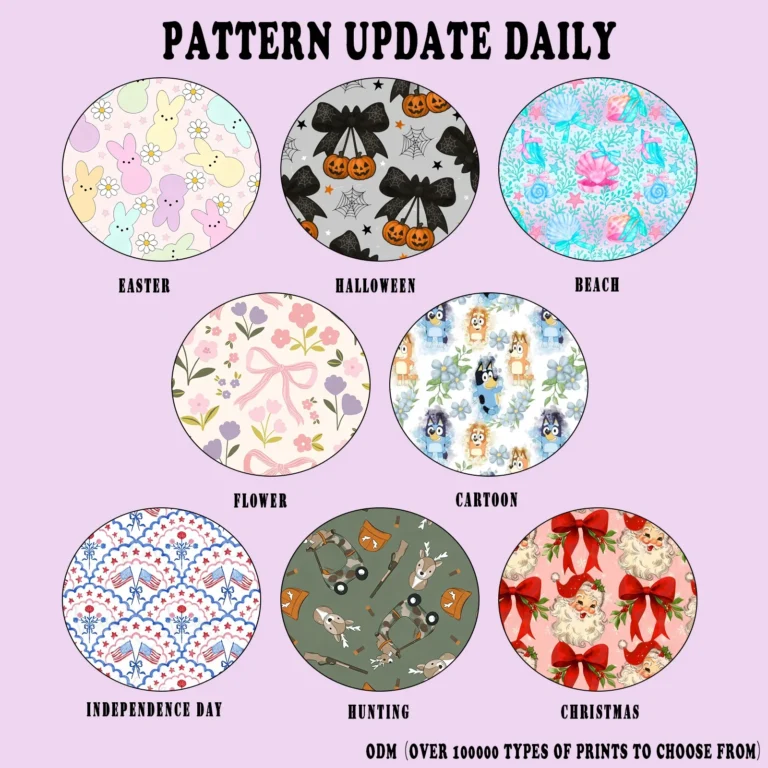
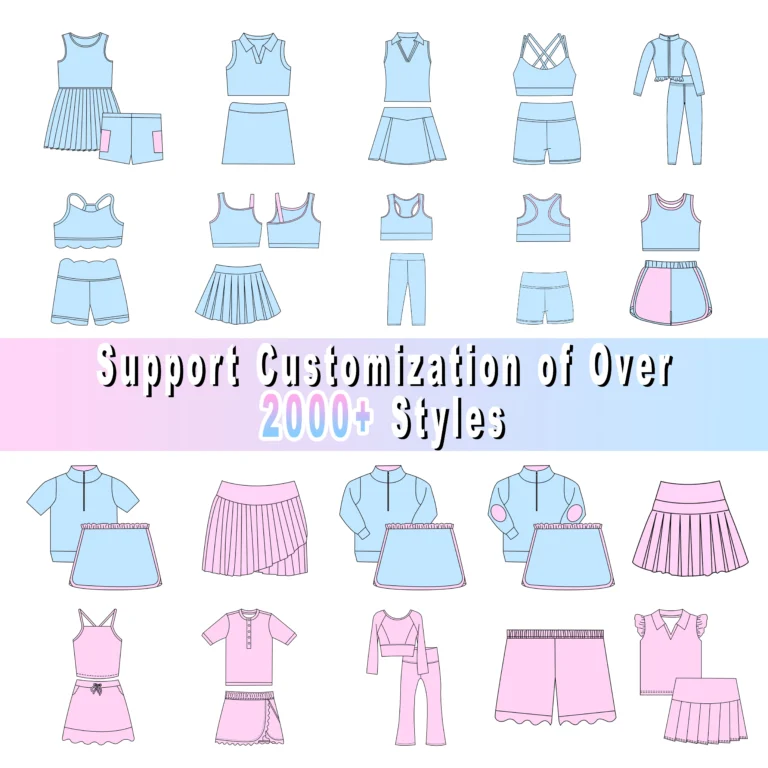
- Customization: Factories equipped with advanced machinery and skilled teams can handle bespoke designs, including color matching, logo placement, and unique patterns.
- Quick Turnaround: Adopting lean production methods and digital cutting technologies enables faster prototyping and manufacturing cycles.
- Inventory Management: Low MOQ production reduces financial risk, especially for startups or businesses experimenting with seasonal collections.
Environmental Responsibility in Manufacturing
As the demand for sustainable activewear continues to grow, an increasing number of factories are integrating eco-friendly practices into their operations. From utilizing renewable energy to recycling water used in dyeing processes, these steps significantly reduce the environmental footprint.
Recycled Materials
Many manufacturers are incorporating recycled polyester derived from post-consumer plastic bottles. This not only diverts waste from landfills but also reduces dependency on virgin materials.
Water-Saving Dyeing Techniques
Innovative dyeing methods, such as digital printing or air-dye technology, minimize water usage and chemical waste, aligning with global sustainability goals.
Ethical Labor Practices
Factories adhering to international labor standards ensure transparency in their supply chains, a factor increasingly scrutinized by retailers and end consumers alike.
Partner with a Trusted Lightweight Girls Activewear Factory
Whether you are a brand looking for bespoke designs or a wholesaler seeking bulk production, our factory offers the perfect combination of quality, compliance, and flexibility. With over 20 years of experience, we specialize in delivering lightweight girls activewear factory factory direct production solutions tailored to your specific needs.
For customized solutions or bulk order inquiries, contact our team today to discuss how we can support your business objectives.